
No business escapes negative reviews on Google. The good ones? They boost your reputation. The bad ones? They can feel like a punch in the gut.
Especially if you run a business in the USA, even a couple of bad reviews can hurt your image, shake customer trust, and cost you money.
But here’s the thing: Negative reviews aren’t the end of the world. They’re a chance to learn, improve, and even win customers over.
What Are Negative Google Reviews?
Simply put, these are customer ratings on a scale of 1 to 3 stars. They point out when someone isn’t happy with your business.
Left unchecked, they can:
- Lower trust in your brand
- Push you down in local Google search results
- Scare off potential new clients
Handling them well keeps your online reputation strong.
Why Should You Care About Negative Reviews?
Even just one bad review can ripple out in ways you might not expect:
- Trust takes a hit: About 87% of people check reviews before buying. One bad comment can make them look elsewhere.
- Search rankings drop: Google favors businesses with higher ratings and lots of engagement.
- Revenue dips: Studies show poor reviews can lead to fewer customers walking through your door.
- Reputation sticks: Negative reviews don’t just disappear — they stay online unless you handle them.
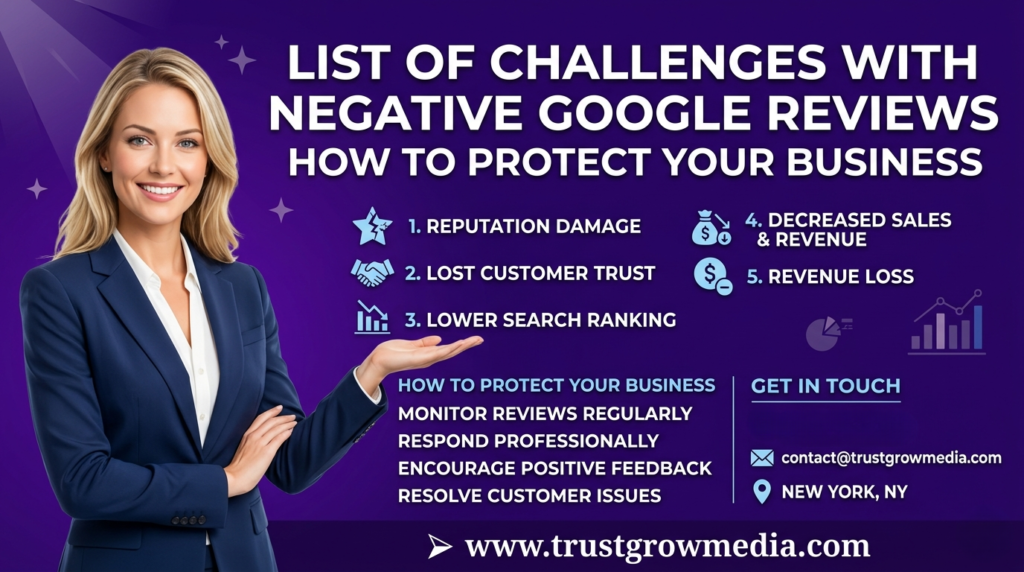
Common Challenges With Negative Google Reviews
1. The Emotional Toll On Business Owners
Reading harsh reviews? It stings. Many business owners take it personally. This can lead to:
- Lower staff morale
- Defensive decisions that don’t help
- Fear of engaging with customers online
Tip: Try to see reviews as feedback, not personal attacks. It helps to keep emotions out of your strategy.
2. Losing Customer Trust
Even unfair reviews can make new customers:
- Choose competitors instead
- Doubt your professionalism
- Hold back from leaving their own reviews
Keeping trust means responding quickly and honestly.
3. Seo And Local Search Struggles
Your Google reviews affect your place in local search results. Negative feedback can:
- Lower your average star rating
- Make your business seem less trustworthy
- Reduce the number of clicks from local searches
What helps: Ask happy customers to leave detailed reviews. It’s like balancing the scales.
4. Reputation Management Is Tricky
Why? Because:
- Negative reviews are public for everyone to see
- Fake or spam reviews are tough to remove
- Wrong responses can make things worse
Keep a close eye on reviews and respond thoughtfully.
5. Keeping Customers Coming Back
One bad review can make your regulars wonder if you’re consistent or reliable. It may also reduce referrals and brand loyalty.
Fix problems fast to show you care — this can turn unhappy customers into loyal ones.
6. Fake Or Malicious Reviews
Sometimes, competitors or trolls post fake bad reviews. The challenges include:
- Spotting which reviews are fake
- Delays in getting them removed
- Damage to your star rating, even if they’re false
Pro tip: Use Google’s tools to report suspicious reviews and keep records to back your case.
7. Negative Reviews Affect Marketing
Bad reviews can:
- Weaken your ad campaigns
- Lower your marketing return on investment
- Make influencers think twice about working with you
Balancing bad feedback with positive stories keeps your marketing efforts strong.
8. Legal And Compliance Issues
Rarely, some reviews cross the line into defamation. That’s when legal advice becomes important.
Understand the difference between free speech and harmful lies. If you think a review is malicious, get professional help.
How to Handle Negative Google Reviews

1. Respond Quickly And Calmly
- Acknowledge the issue without getting defensive
- Say sorry if you messed up
- Offer a way to fix it or invite them to talk privately
2. Ask For More Positive Reviews
- Reach out to happy customers
- Use easy-to-follow templates
- Make it simple — email, text, or QR codes work great
3. Keep An Eye On Your Reviews
- Set up Google Alerts or use reputation tools
- Look for trends in what people say
- Fix recurring problems before they grow
4. Learn From Feedback
Negative reviews often point to real issues. Use them to:
- Train your team better
- Change policies that don’t work
5. Share Your Positive Reviews
Show off your good reviews on:
- Your website
- Social media pages
- Local business directories
This builds trust and balances any negativity.
Tips for Responding to Negative Reviews
- Stay calm and professional
- Address the specific complaint
- Offer a way to make things right
- Follow up both publicly and privately if needed
- Don’t get into arguments online
- Keep records of your responses for your team
Handled well, even negative reviews can build loyalty and show you care.
Wrapping Up
Negative Google reviews are tough — but they’re also a chance to improve.
From the emotional impact to SEO headaches, understanding these challenges helps you respond more effectively. Businesses that face reviews head-on, encourage happy customers, and learn from feedback can turn negatives into wins.
Keep working on your online presence. Remember: every review is a conversation. How you respond can make all the difference.
FAQs
How bad are negative Google reviews?
Even a few 1-star reviews can hurt trust and lower your spot in local searches. This can reduce customers and sales.
Can I get negative reviews removed?
Only if they break Google’s rules. Otherwise, your best bet is to respond politely and get more positive reviews.
How do I stop fake negative reviews?
Watch your reviews often, report suspicious ones, and keep proof of your customer interactions.
Should I reply to every negative review?
Yes. Quick, professional replies show you care and can turn unhappy customers around.
How many positive reviews do I need to balance the bad ones?
The more genuine positive reviews you have, the better your overall rating. Keep asking happy customers regularly.
Can negative reviews actually help my business?
Absolutely. They highlight where you can improve and make your business stronger over time.